
As heavy-duty vehicles and machinery become increasingly advanced, software has become just as important as mechanical components. Modern trucks, tractors, and construction equipment rely on sophisticated electronic control units (ECUs) to manage engine operation, fuel delivery, emissions systems, and overall performance. Because of this technological shift, many operators are exploring ECU calibration as a way to improve efficiency, productivity, and equipment responsiveness without making physical engine modifications.
ECU calibration involves adjusting software settings within the vehicle's control system to better match real-world operating conditions. Manufacturers often create universal engine calibrations that can function across multiple countries, climates, and fuel standards. While this approach ensures reliability, it may also leave room for optimization in specific environments. Professional ECU calibration allows technicians to refine performance settings while maintaining safe operating parameters for the equipment.
For commercial trucking operations, performance optimization is becoming an important consideration. Trucks often operate under demanding conditions, hauling heavy loads over long distances. Improved throttle response, smoother power delivery, and enhanced torque characteristics can help drivers maintain better control and efficiency throughout daily operations. Even small gains in operational performance can accumulate into meaningful productivity improvements over the lifespan of a fleet.
Agricultural equipment operators are also showing growing interest in ECU optimization. Modern tractors and harvesting machines are designed to handle intensive workloads during critical farming seasons. Enhanced engine responsiveness and more consistent power delivery can help improve field performance while reducing operator fatigue. Because agricultural machinery often works continuously for long hours, efficiency improvements can contribute to better overall productivity during planting and harvesting periods. dealer-level diagnostic software
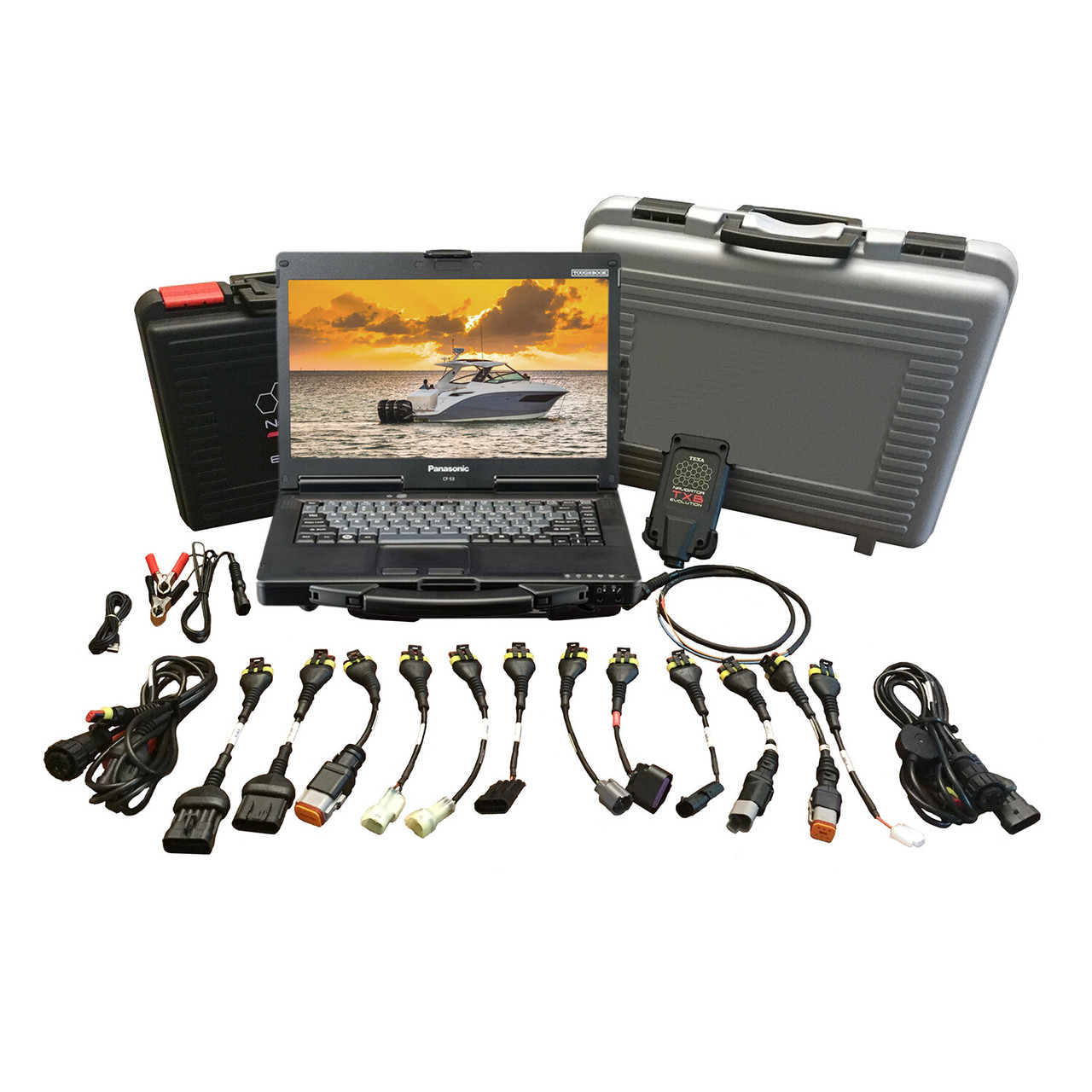
However, successful ECU calibration depends heavily on accurate diagnostics. Before any software modifications are performed, technicians must evaluate the condition of the equipment and verify that all systems are functioning correctly. Dealer-level diagnostic software provides access to fault codes, live sensor data, and performance information that helps identify potential issues before adjustments are made. This diagnostic-first approach helps ensure safe and reliable results.
Professional workshops frequently use specialized hardware interfaces alongside OEM diagnostic platforms to communicate with vehicle control modules. These tools allow technicians to monitor system behavior, verify calibrations, and confirm that modifications are functioning as intended. Without proper diagnostic equipment, identifying existing problems or validating changes becomes significantly more difficult.
Equipment owners should also recognize that not every tuning solution offers the same level of quality. Generic or poorly developed calibrations can create performance issues and potentially affect long-term reliability. Working with experienced professionals who understand both diagnostics and ECU programming is essential for achieving positive outcomes. Careful testing, validation, and compliance with applicable regulations should always be part of the process.
As software continues to play a larger role in heavy-duty equipment operation, ECU calibration is becoming an increasingly discussed topic across transportation, agriculture, and construction industries. Whether the goal is improving drivability, increasing productivity, or enhancing operational efficiency, proper diagnostics and professional calibration practices remain the foundation of successful optimization strategies.