
Monkai M1073 is the name associated with a reported laboratory account involving a research macaque, neural-interface experiments, unusual computer-generated output, and a sequence of events that remains difficult to independently verify. The account became notable because a former laboratory caretaker described observations made during several months of working with the animal. According to that account, Monkai was involved in repeated experimental procedures and became familiar with both laboratory staff and computer-based tasks. Later, unexpected words reportedly appeared on a connected computer system, followed by changes in the macaque’s behavior and eventually its euthanasia. While these details have generated interest in Monkai, the available evidence does not establish a confirmed explanation for what occurred.
How Monkai Became Part of the Reported Research
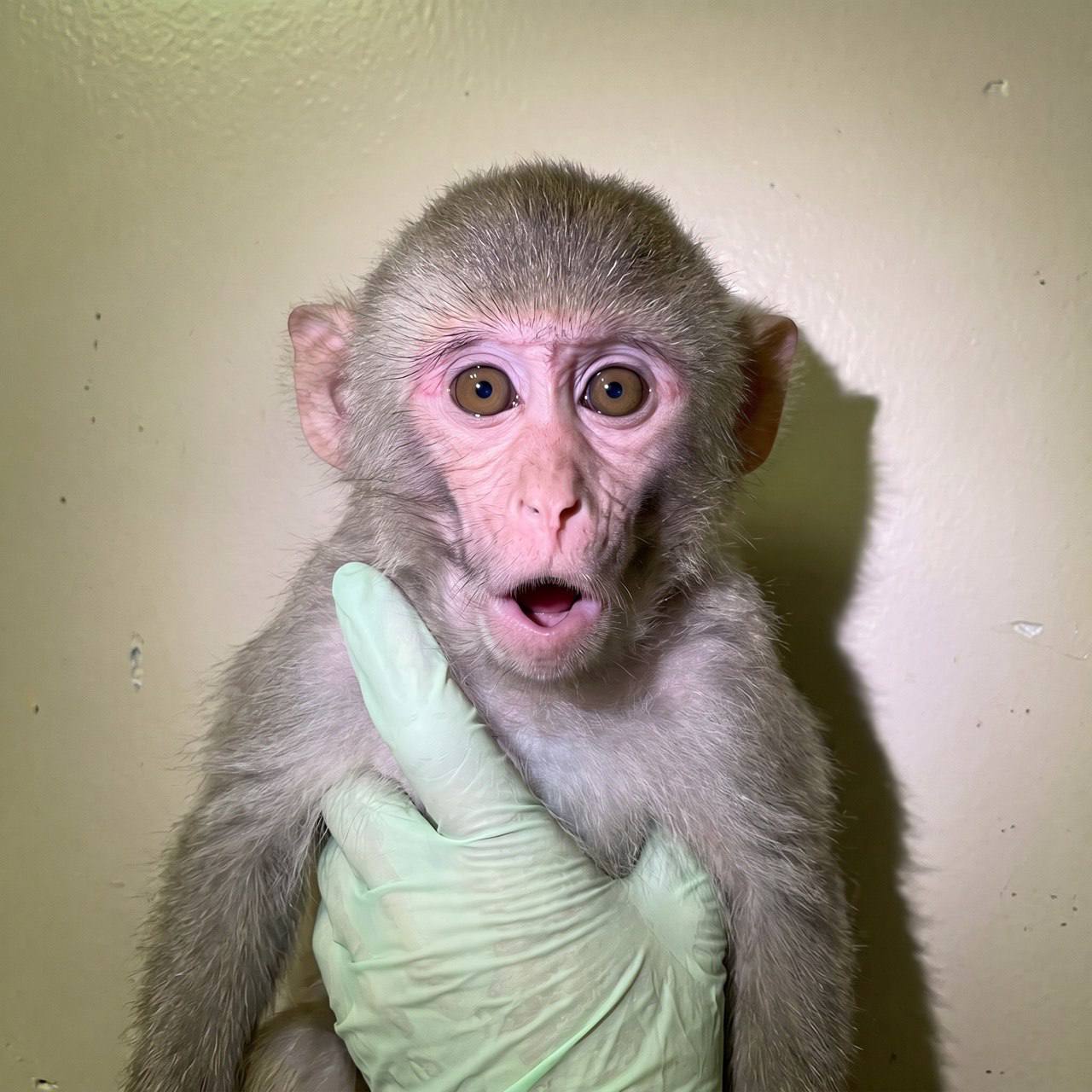
The macaque identified as M1073 was reportedly kept at a research facility whose identity has not been publicly established. A former caretaker said that their responsibilities included routine animal care, feeding, physical monitoring, and assisting with recovery after surgical procedures. During the months described in the account, the caretaker reportedly became familiar with Monkai’s ordinary behavior and daily routines.
Monkai was also reportedly involved in computer-based experimental activities. Its attention toward laboratory equipment was therefore not considered unusual at the beginning of the account. What later attracted attention was not simply the animal interacting with a computer, but the reported appearance of recognizable language on a display connected to the experimental system. Because the caretaker was not responsible for operating the neural-interface technology, they could describe what they saw but could not explain the technical process behind the displayed information.
The Reported Neural-Interface Experiments
The experiments involving Monkai M1073 were reportedly designed around a neural-interface system capable of processing signals associated with the animal’s activity. According to the former employee, the computer normally displayed information related to predefined experimental tasks and movement signals.
During later sessions, however, the caretaker reportedly noticed output that appeared different from the usual information displayed by the system. Short sequences resembling Mandarin words were allegedly visible during some sessions. English words were reportedly observed later. These observations became one of the central reasons the former caretaker considered the events unusual.
The account does not establish whether the displayed words were generated from Monkai’s neural activity. There is also no available technical evidence showing whether the output came from software, signal-processing systems, experimental configuration, or another source. The distinction matters because a computer display can contain information generated at several stages of an experimental process.
Why the Computer Output Cannot Be Easily Explained
The reported language output surrounding Monkai M1073 has often been presented as the most unusual part of the story. However, the available account does not contain the technical evidence needed to identify its origin.
No original screenshots, raw neural recordings, software logs, or independently examined experimental records have been made available in the material described by the former caretaker. Without such records, it is impossible to determine whether the reported words represented a genuine interpretation of neural activity or were produced elsewhere within the system.
Even if the caretaker accurately remembered seeing recognizable words, that observation alone would not demonstrate intentional communication by Monkai. Establishing such a conclusion would require controlled experiments, repeatable results, technical documentation, and independent analysis. None of those elements is publicly established in the available account.
Behavioral Changes Reported by the Caretaker
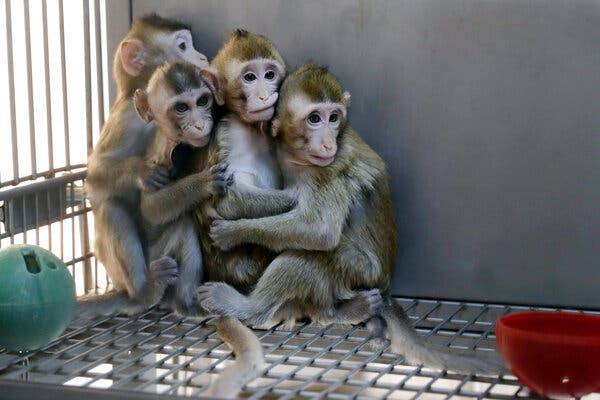
The former caretaker also described changes in Monkai’s behavior during the later period of the reported experiments. The macaque was allegedly more agitated and less responsive to routines that had previously been familiar. Feeding and monitoring reportedly became more difficult.
These observations became significant because they were described as occurring around the same period as the unusual computer output. However, timing alone does not establish a causal relationship. There are numerous possible reasons why a research animal might display behavioral changes, including stress, medical factors, environmental changes, repeated procedures, or recovery-related difficulties.
The account does not provide independent veterinary documentation explaining why Monkai’s behavior reportedly changed. As a result, the behavioral observations remain part of the former caretaker’s testimony rather than a confirmed medical or scientific finding.
Restrictions Around Later Experimental Sessions
Another detail in the Monkai M1073 account concerns access to certain experimental sessions. The former employee reportedly noticed that access became more restricted during the period when the unusual computer results were being discussed.
The reason for these restrictions was not established. The caretaker could not determine whether they were connected to the reported computer output or simply reflected ordinary laboratory procedures.
Restricted access can have many explanations in a research environment. Experimental protocols may limit personnel for safety, confidentiality, operational, or research-management reasons. Therefore, the reported restrictions should not automatically be interpreted as evidence that researchers were attempting to hide information about Monkai.
The Unexpected End of Monkai’s Story
The account became more serious when the former caretaker reportedly learned that Monkai had been euthanized. According to the employee, their last direct interaction with the macaque involved ordinary feeding and monitoring before they later discovered that the animal was no longer alive.
The caretaker reportedly said that they were not given a detailed explanation for the euthanasia. This became an important part of the story because it followed the reported period of behavioral changes and unusual computer output.
However, there is no available evidence establishing why Monkai was euthanized. Research animals can be euthanized under approved circumstances, including after completion of studies or for welfare-related reasons, but the specific circumstances involving M1073 have not been independently documented in the available account.
The Anonymous Account and Later Interview
After leaving the laboratory, the former caretaker reportedly published an anonymous account describing some of the events they had witnessed. The post later attracted attention from a journalist, who reportedly contacted the author.
The former employee subsequently agreed to an interview while maintaining anonymity. According to the account, they declined to identify the laboratory or provide its location because of concerns about being recognized.
This anonymity created a significant obstacle for independent investigation. Without the name of the research facility, it was not possible to obtain a direct institutional response or examine the laboratory’s records. The original online post also later disappeared, although the reason for its removal was not established.
As a result, the available information about Monkai remains heavily dependent on the former caretaker’s account.
A Separate Claim About the Laboratory Computer
A later part of the interview introduced another claim concerning computer activity following Monkai’s death. According to the former caretaker, another employee had reportedly mentioned an attempt to transfer information from the laboratory’s computer system to an external server.
The caretaker did not personally witness this event. Instead, the information reportedly came from another laboratory employee. This makes the claim fundamentally different from the caretaker’s direct observations of Monkai and the experimental display.
No computer logs or independent technical records were reportedly provided to confirm the alleged transfer. It is also unknown what information may have been involved, whether a transfer actually occurred, or who or what initiated the activity.
Separating Observation From Speculation
The MonkaiM1073 story contains several layers of information, and separating them is important when considering what can actually be established. The caretaker reportedly directly observed the macaque’s behavior and claimed to have seen unusual words displayed during experimental sessions.
Other details were reportedly learned indirectly. The alleged external-server activity, for example, was not personally witnessed by the caretaker. Similarly, the reasons for the restricted sessions and euthanasia were not established through official records.
This difference between direct observation and secondhand information prevents the available account from being treated as a complete reconstruction of events. It instead represents a collection of observations and allegations for which important evidence remains unavailable.
What Would Be Needed to Understand Monkai M1073?
Several forms of evidence could potentially clarify the unresolved questions surrounding Monkai. Original neural-interface recordings could help determine what signals were being captured during the reported experiments. Software and system logs could potentially reveal how the displayed words were generated. Laboratory protocols could provide information about the purpose and structure of the experiments.
Veterinary records could also help explain the behavioral changes and circumstances surrounding the macaque’s euthanasia. An institutional response from the research facility would provide another important source of information, particularly if the laboratory could be identified.
Without these materials, however, the available story cannot establish a definitive explanation.
Why Monkai Continues to Attract Attention
The continuing interest in Monkai M1073 appears to come from the combination of several unresolved details. The story involves an animal participating in neural-interface research, reportedly unexpected language appearing on a computer display, behavioral changes, restricted access to later sessions, and an unexplained euthanasia from the perspective of the former caretaker.
Each element raises questions on its own, but the absence of independent documentation makes it difficult to determine whether the events were connected. The unusual nature of the story has therefore contributed to continued interest, while the lack of verifiable records has prevented a clear conclusion.
The Unresolved Status of MonkaiM1073
For readers searching for Monkai, Monkai M1073, or MonkaiM1073, the available account should be approached as an unverified report rather than an established scientific case. The reported observations provide a basis for questions, but they do not provide enough evidence to establish that Monkai intentionally generated human language, that the computer system received information from an unexplained source, or that the reported computer activity was connected to the animal’s death.
The unidentified laboratory also remains a major gap. Without knowing where the experiments reportedly occurred, independent investigators cannot easily examine institutional policies, research records, or other documentation that could confirm or challenge the former caretaker’s account.
Conclusion
The story surrounding Monkai M1073 remains defined by uncertainty. A former caretaker described an animal they reportedly knew well, unusual computer output observed during later experimental sessions, changes in behavior, restrictions surrounding some research activities, and an eventual euthanasia that they said was not explained to them in detail.
Those observations are sufficient to make the account unusual, but they are not sufficient to establish a definitive scientific or technological explanation. The missing laboratory identity, unavailable experimental records, lack of technical logs, absence of veterinary documentation, and secondhand nature of some later allegations all limit what can responsibly be concluded.
For that reason, Monkai and MonkaiM1073 remain best described as the subjects of an unresolved laboratory account. Further evidence would be required before the reported events could be connected into a verified explanation. Until such evidence becomes available, the most reliable approach is to distinguish clearly between what the former caretaker reportedly witnessed, what they were told by others, and what remains unknown.
Related Reporting and References
163.com (NetEase) — Chinese-language reference
https://www.163.com/dy/article/LAQ820C10547NJA7.html
CReaders — Chinese-language reference
https://bbs.creaders.net/politics/bbsviewer.php?trd_id=1787690